Game Guide
Gamble With Your Friends Minesweeper Guide: How to Play and When to Cash Out
Understand the mine-reveal risk, read the return shown by the current table, and agree on a stop point before one run drains the shared bank.
The short answer: reveal with a rule, not a hunch
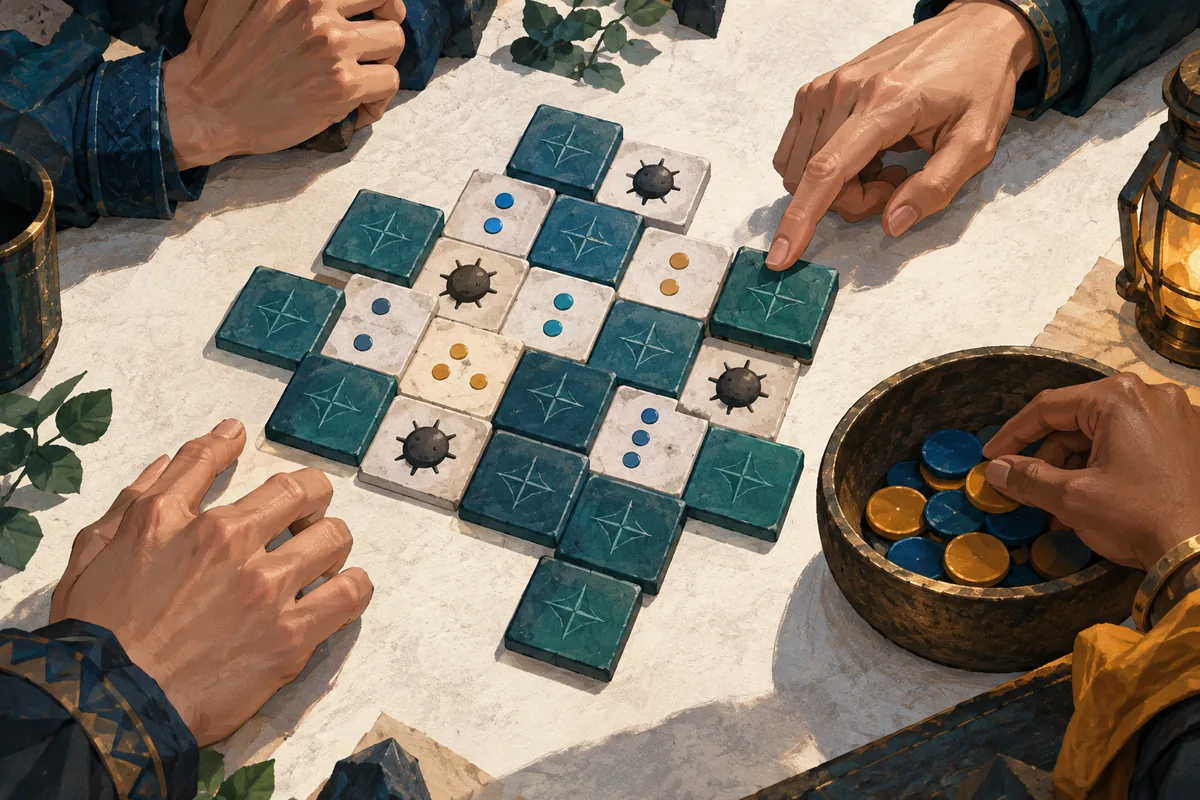
This Gamble With Your Friends Minesweeper Guide treats the table as a mine-reveal risk and cash-out task, not automatically as the classic number-clue puzzle. An independent specialist guide describes choosing mine exposure, revealing a tile, and deciding whether to take the displayed return. That is a non-official report, so verify the current interface before acting.
Start by reading the controls, available settings, stake, and current return shown in your run. Agree on a cash-out goal and a loss limit with your friends before revealing anything. One player should control the table, a teammate should call out the displayed state, and another should watch the shared bank. If the game's wording or payout display differs from a guide, the live interface wins.
The official Steam listing confirms the co-op game context and shared-account premise, but it does not publish a detailed Minesweeper rule sheet. Exact board size, mine settings, payout math, floor availability, and challenge requirements remain unverified here. The steps below avoid treating competitor calculations or remembered routes as first-party facts.
Step by Step
A careful Minesweeper play loop
This Gamble With Your Friends Minesweeper Guide uses a short pause at each decision. Confirm which actions and return figures the table actually displays; do not spend time searching for number clues if the current game presents a risk-and-cash-out interface.
1. Read the table before the first reveal
Check the current objective, stake, controls, and the risk or return information the table exposes. Do not import a board size, mine count, or multiplier from another player's video or an older patch. If an instruction is unclear, pause and inspect the screen together before committing the shared bank.
2. Set exposure within the team budget
If the current interface lets you choose a mine setting, compare the displayed risk and return before confirming it. A higher-risk choice may change how quickly the return grows, but the exact game math is not documented by the official store listing. Never assume an outside calculator matches the current build.
3. Reveal one tile, then read the result
Make one reveal at a time so the group can see exactly what changed. If the tile is safe, check the current cash-out value and any next-step information shown by the game. If the interface presents no probability, do not invent a precise percentage from a remembered route.
4. Compare taking the return with continuing
A successful reveal is evidence about that result, not a promise that the next one will succeed. Use only the odds and payout information the current table displays. If the next move is unclear, pause and let the team compare the possible gain with the agreed loss limit.
5. Stop when the agreed condition is met
Before the run, decide what ends it: a planned bank target, a loss limit, or a time limit. When that condition arrives, use the available cash-out action if the table offers one. Do not add another reveal just to recover a previous loss or to chase a multiplier mentioned by an unverified guide.
Clues and Risk
Understand the reveal risk without inventing odds
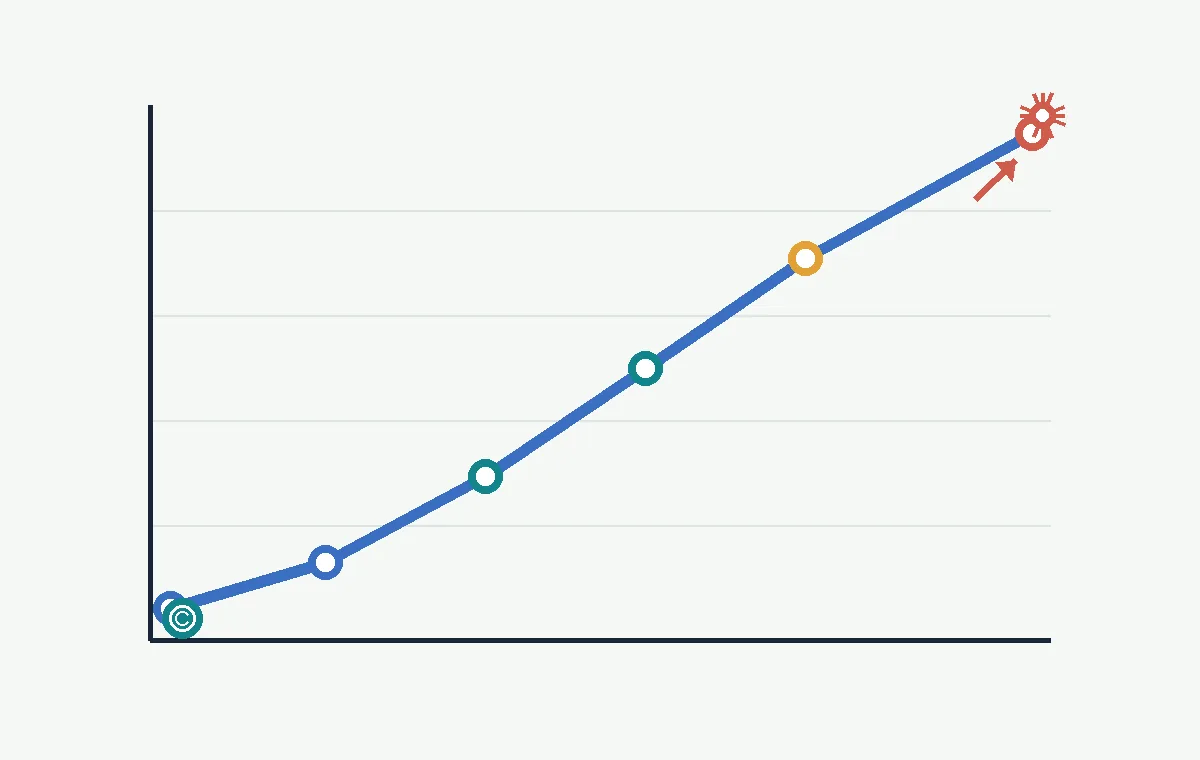
The direct specialist reference describes this table as a mine-reveal and cash-out game rather than a classic puzzle with numbers to read. That distinction changes the decision: if your current table offers no clue numbers, there is no hidden pattern to solve from neighboring cells. Check the actual controls, any displayed risk, and the cash-out value instead. The reference is independent of the developer, so treat its description as a useful lead, not official documentation.
Exact odds depend on the game's board setup and selection rules. The official Steam listing does not state whether mines are placed uniformly, whether reveals are without replacement, or how the payout is calculated. Use a probability only when the game itself shows it or when a current first-party source documents the formula. Otherwise, compare the visible return with a stake the group has already agreed it can lose.
Read the actual display
Use the risk and payout information shown in the current table; do not substitute a remembered multiplier.
Separate report from rule
An independent guide can suggest how the loop works, but it cannot confirm the current build's exact math.
Name the uncertainty
If the next reveal has no displayed probability, call it an unknown-risk choice and let the team decide whether the stake is acceptable.
Co-op Calls
Protect the shared bank with a simple team plan
A shared table can become noisy when several friends call different actions or change the stake mid-run. Give each person one job and keep the next decision visible. Agree with your friends who will control the next reveal before the table becomes tense.
Agree on the stake and loss limit before opening the table. The limit should be an amount the group can afford to lose inside the game without compromising its next required objective. If the bank falls to that line, stop. Raising the stake to win back a loss changes the plan after the evidence has already gone against it.
Use short callouts: state the chosen setting, review the display with your teammate, and repeat the return shown after a reveal. The person controlling the game confirms the call before clicking. After any result, pause long enough for everyone to see the updated table and bank. This is a coordination habit, not a claim that voice chat changes the game's odds.
Risk caller
Repeats the mine setting, stake, and any probability or return shown on screen.
Reveal controller
Makes one agreed reveal and waits for the table to update before acting again.
Bank watcher
Tracks the stake, agreed loss cap, and the team's stop condition.
Decision Examples
What to do in common board situations
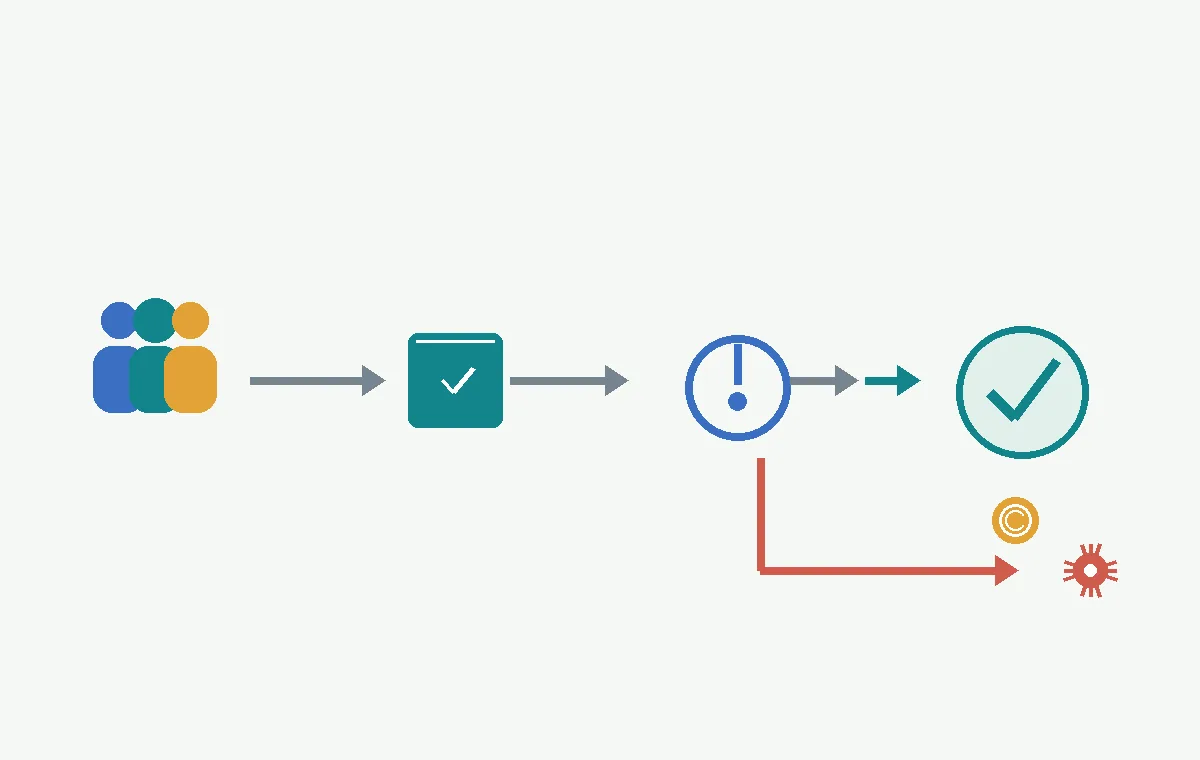
These examples describe how to decide from visible controls and returns. Compare each decision with your friends before clicking; these are not fixed routes or promises about this build.
| Board situation | Useful check | Team action |
|---|---|---|
| First visit to the table | Read the available settings, stake, reveal action, and cash-out control. | Use the current screen as the rule source; do not copy exact settings from an old clip. |
| A mine setting is offered | Compare the return and risk information shown for each available choice. | Choose only within the group's pre-agreed loss budget; do not infer exact odds from the setting alone. |
| A tile is revealed safely | Check the updated cash-out value and any next-step probability displayed. | Decide again from the new screen. A previous safe result is not a promise about the next reveal. |
| The stop limit is reached | Compare the current bank and table state with the pre-agreed limit. | Cash out if the control is available, or end the attempt instead of raising the stake to recover a loss. |
Avoid These Traps
Common Minesweeper mistakes in a co-op run
Most avoidable losses begin with a false assumption about the rules, an unspoken risk choice, or a changed stop rule.
Searching for classic number clues
An independent specialist guide describes this mode as a risk-and-cash-out table, not a deduction puzzle. Follow the current interface if it shows a different mechanic.
Treating a competitor calculator as official
A guide can help you recognize a mechanic, but it cannot verify today's payout math. Re-check the current interface and avoid copying unconfirmed numbers.
Changing the stake after a loss
A previous result does not make the next hidden cell safer. Keep the original loss cap instead of chasing a recovery.
Letting several players click at once
Overlapping inputs make it harder to tell which action changed the board. Choose one controller and confirm each move.
Source Notes
What is confirmed and what remains uncertain
The official Steam listing is useful for the game's product description and co-op context. It does not document Minesweeper board dimensions, mine distribution, exact payout multipliers, floor availability, seed behavior, or achievement conditions. This article therefore avoids presenting those details as facts.
An independent specialist guide describes Mine Sweeper as a risk-and-cash-out activity rather than classic number-clue Minesweeper. It also publishes exact settings and calculations, but those details are not confirmed by the official listing and are not repeated here. Compare any outside reference with the current table, and re-check after a major update.
Check the official Gamble With Your Friends Steam listing
Read the independent Minesweeper reference (not official game documentation)
FAQ